Learning doesn't stop when the classroom session ends.
Students often need access to lesson notes, assignments, worksheets, presentations, revision materials, and previous learning resources outside regular class hours. Teachers create valuable educational content every day, but students don't always know where to find the right material when they need it.
The information already exists.
The challenge is helping students quickly access the right learning resources based on their class and subjects.
A student may search through WhatsApp groups, learning portals, shared folders, emails, or class messages just to find yesterday's lesson notes or homework assignment.
Teachers face a similar challenge. They repeatedly receive requests to resend notes, assignments, worksheets, and learning materials that have already been shared.
So, how can RAG AI create a smarter school learning experience?
The answer is by giving students a conversational way to access their school's learning materials whenever they need them.
A RAG AI School Learning Assistant can help students find lesson notes, assignments, worksheets, study guides, presentations, revision materials, and subject-specific learning resources using natural-language questions.
With Ragfish, schools can transform their existing educational content into an AI-powered learning assistant that helps students discover relevant learning materials without constantly searching through multiple platforms or repeatedly asking teachers for information. Schools can build the assistant using their existing learning materials while maintaining class and subject-based access controls.
Quick Answer: How Can RAG AI Help Schools and Students?
RAG AI can simplify learning by making educational resources easier for students to access.
Instead of searching through multiple apps, chat groups, folders, and shared resources, students can ask questions such as:
Explain today's mathematics lesson.
Show yesterday's science worksheet.
What homework was assigned today?
Summarize Chapter 5.
Give me revision notes for tomorrow's exam.
Show the English presentation again.
What chapters should I study this week?
Find previous year question papers.
The AI assistant retrieves relevant information from the school's learning materials and presents it through a conversational experience.
The goal isn't to replace teachers.
The goal is to make the school's existing learning resources easier for students to access and use. Students can receive answers directly from their authorized class and subject materials.
What Is a RAG AI School Learning Assistant?
A RAG AI School Learning Assistant is an AI-powered learning interface that allows students to interact with school knowledge using natural-language questions.
Traditional learning often requires students to search through multiple sources to find educational content.
A RAG AI assistant changes that experience.
"Where did my teacher share the science worksheet?"
A student can simply ask:
"Show yesterday's science worksheet."
The assistant retrieves relevant information from the school's educational knowledge and provides the requested content.
For schools using Ragfish, the assistant can be built around existing educational resources, including lesson notes, subject PDFs, homework, assignments, worksheets, presentations, question banks, previous-year papers, lab manuals, and study guides.
Why Is Accessing Learning Materials Still So Difficult?
Schools create enormous amounts of educational content.
Every day, teachers prepare:
Lesson notes
Homework
Assignments
Worksheets
Presentations
Study materials
Revision notes
Subject resources
Practice papers
Learning guides
The challenge is not creating educational content.
The challenge is making it easy for students to access the right content when they need it.
Learning materials are often distributed across multiple systems.
Students may need to check messaging groups, school portals, shared drives, emails, or learning platforms to locate a single resource.
This creates unnecessary friction in the learning process.
Teachers may also spend valuable time responding to repetitive requests for materials that have already been shared. The source material highlights that students frequently ask teachers for lesson notes and struggle to locate study resources shared across multiple applications.
The Real Problem Isn't the Lack of Learning Content
Many schools already have thousands of valuable educational resources.
Over the years, teachers create and organize extensive learning content.
The knowledge already exists.
Lesson notes
Subject materials
Assignments
Worksheets
Presentations
Question banks
Previous-year papers
Study guides
Lab manuals
Revision resources
The challenge is organizing and delivering this content efficiently to students. Schools often possess extensive educational content, but students may still struggle to locate the right resources at the right time.
RAG AI helps bridge that gap.
Instead of asking students to understand where every resource is stored, the assistant allows them to start with the question they already have.
The student asks. The AI retrieves the relevant learning material.
How Does a RAG AI School Learning Assistant Work?
The process can be thought of in four simple stages.
1. Bring Your School Knowledge Together
The first step is identifying the learning resources students regularly need.
Lesson notes
Subject PDFs
Assignments
Worksheets
Homework
Presentations
Question banks
Previous-year papers
Study guides
Lab manuals
Revision materials
These resources become the knowledge foundation for the learning assistant.
2. Organize Content by Class and Subject
Schools can organize educational content based on classes, grades, and subjects.
This ensures students only access information relevant to their learning environment.
The source material specifically highlights class-based and subject-based organization of learning resources.
3. Ask Questions in Natural Language
Students can interact with the assistant the same way they would ask a teacher.
"Explain today's mathematics lesson."
"Give me revision notes for tomorrow's exam."
Students do not need to remember which application or folder contains the information.
4. Get Answers From School Knowledge
The assistant retrieves relevant information from authorized learning materials and provides answers conversationally.
This changes the learning experience from:
Search multiple systems → Find materials → Read content
Ask a question → Retrieve learning knowledge → Get an answer
The focus becomes less about finding content and more about learning.
What Can You Ask a RAG AI School Learning Assistant?
One of the biggest advantages of an AI learning assistant is that students can ask questions based on what they need at that moment.
Here are some practical examples.
"Explain today's mathematics lesson."
The assistant can retrieve information from the relevant lesson materials.
Find Homework Assignments
Instead of searching through messages:
"What homework was assigned today?"
The student can access the information immediately.
"Show yesterday's science worksheet."
The assistant can locate the relevant learning resource.
"Give me revision notes for tomorrow's exam."
The assistant can help students prepare using available study materials.
The assistant can retrieve relevant content from the school's learning resources.
"Show the English presentation again."
The assistant can help locate previously shared educational materials.
"What chapters should I study this week?"
The assistant can help identify relevant learning content.
Access Previous-Year Papers
Students preparing for exams can ask:
"Find previous year question papers."
The assistant can retrieve the relevant study resources. These examples reflect the types of questions students regularly ask according to the School Learning Assistant use case.
What Educational Information Can RAG AI Understand?
The usefulness of a school learning assistant depends on the information available to it.
A useful educational knowledge base can include several categories.
Daily classroom teaching materials and explanations.
PDFs, study materials, and subject-specific learning content.
Assignments and homework instructions provided by teachers.
Practice exercises and learning worksheets.
Classroom presentations and visual learning materials.
Practice questions and assessment preparation resources.
Historical examination papers and practice resources.
Structured learning materials for student preparation.
Practical and laboratory-related educational resources.
Exam preparation and revision content.
These learning resources form the educational knowledge foundation of the assistant.
What Are the Benefits of Using RAG AI for School Learning?
RAG AI isn't valuable simply because it introduces AI into education.
The real value comes from making learning resources easier to access.
Faster Access to Learning Materials
Students spend less time searching and more time learning.
Reduced Repetitive Requests
Teachers spend less time resending materials that already exist.
Better Student Learning Experience
Students can access educational resources whenever they need them.
Learning resources remain available beyond classroom hours. Schools can provide learning support anytime and anywhere.
Better Use of Existing School Knowledge
Schools can maximize the value of educational content they have already created.
Organized Learning Resources
Educational materials can be structured by class and subject for easier access.
Students can access only the resources authorized for their classes and subjects. Permission-based student access is a key capability of the School Learning Assistant.
How to Introduce RAG AI Into Your School Learning Process
Introducing RAG AI doesn't require replacing existing educational systems.
A practical approach is to start with the learning materials students use most frequently.
Step 1: Identify Common Student Questions
Start by understanding what students regularly ask.
Where are today's lesson notes?
What homework was assigned?
Where can I find revision materials?
Can I access the science worksheet?
What should I study this week?
These questions reveal where an AI assistant can provide immediate value.
Step 2: Identify Existing Educational Resources
Gather lesson notes, worksheets, assignments, study guides, presentations, and other learning materials.
Step 3: Organize Content by Class and Subject
Structure resources so students can access information relevant to their authorized classes and subjects.
Step 4: Configure Student Permissions
Define access controls to ensure students only see appropriate educational resources.
Step 5: Start With High-Value Learning Content
Begin with the materials students request most frequently.
Step 6: Continuously Add New Learning Resources
Teachers can upload new educational content as it becomes available. Schools can upload learning materials once and make them available through the assistant.
Best Practices for Using RAG AI in School Learning
RAG AI can improve educational access, but schools should establish good practices around its use.
Keep Learning Content Updated
Ensure students receive access to current educational materials.
Organize Resources Clearly
Structure content by class, subject, and academic requirements.
Use Permission-Based Access
Students should only access resources authorized for their educational level.
Support Teachers, Not Replace Them
Teachers remain central to the learning experience. AI should complement classroom teaching. The assistant is designed to support teachers, students, and administrators.
Focus on Student Learning
Use the assistant to improve learning accessibility and educational outcomes.
Start with core learning resources and add additional educational content over time.
Who Can Benefit From a RAG AI School Learning Assistant?
A RAG AI School Learning Assistant can be useful for many educational institutions.
Schools
CBSE Schools
ICSE Schools
State Board Schools
International Schools
Higher Secondary Schools
Coaching Centers
Tuition Academies
Skill Development Institutes
Educational Trusts
These institution types are specifically identified in the School Learning Assistant use case.
How Ragfish Helps Build a RAG AI School Learning Assistant
Ragfish enables schools to transform their educational content into an AI-powered learning assistant.
Instead of requiring students to search across multiple systems, schools can provide a conversational way to access learning resources.
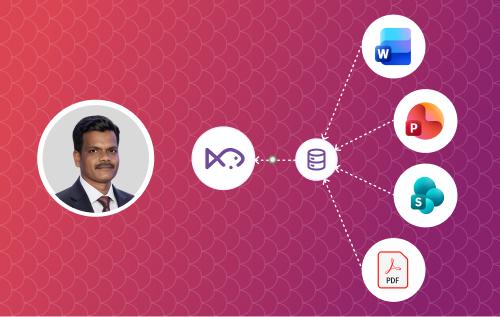
The workflow can be as simple as:
Your School Learning Materials
RAG AI School Learning Assistant
Relevant Learning Resources
Schools can build the assistant using their own educational content while maintaining secure and permission-based access controls.
Why Use Your Own Educational Content With RAG AI?
Generic AI can explain educational concepts.
But students often need information specific to their own school and classes.
"Explain today's algebra lesson from my class."
"What homework did my teacher assign today?"
"What should students study?"
"What chapters should I study this week?"
The answers exist inside the school's own learning resources.
This is why RAG AI is particularly valuable for education.
It connects conversational AI with the school's own educational knowledge.
The Future of Learning Is More Conversational
Education has traditionally relied on classrooms, textbooks, notes, assignments, worksheets, and learning portals.
These methods remain important.
But students increasingly expect information to be available instantly.
RAG AI introduces another interaction model:
Instead of searching through folders and applications:
"Where can I find the worksheet?"
"Show yesterday's science worksheet."
Instead of searching for revision materials:
"Where are my exam notes?"
"Give me revision notes for tomorrow's exam."
Instead of navigating multiple systems, students can access learning resources through a simple conversation.
This creates a more accessible and student-friendly learning experience.
Conclusion: How to Use RAG AI to Create a Smarter School Learning Experience?
So, how can RAG AI create a smarter school learning experience?
It starts by making educational resources easier for students to access.
A RAG AI School Learning Assistant can help students find lesson notes, assignments, worksheets, study materials, presentations, revision resources, and subject-specific knowledge using natural language.
The opportunity isn't simply to introduce AI into education.
It's to make school knowledge more accessible.
Students spend less time searching.
Teachers spend less time responding to repetitive requests.
Schools make better use of their existing educational resources.
And students gain a convenient way to access learning materials whenever they need them.
With Ragfish, schools can transform their existing learning content into an intelligent educational experience and give students a smarter way to learn.
Ready to Make School Learning More Intelligent?
Build a RAG AI School Learning Assistant with Ragfish and give students a conversational way to access educational knowledge.
Turn your school's learning resources into an AI-powered learning experience with Ragfish.