Legal documents are one of those areas where a few lines can have a major impact on a business decision.
A contract arrives. Someone needs to understand the payment terms. Another person needs to check the renewal clause. The liability provisions need to be reviewed. Confidentiality obligations, termination conditions, penalties, and governing law may all need attention.
The information is already inside the document.
The challenge is finding and understanding the right information without spending hours reading lengthy legal documents.
As businesses grow, they may accumulate vendor agreements, customer contracts, employment agreements, NDAs, service agreements, lease agreements, purchase contracts, and compliance documents.
So, how can RAG AI make legal document review smarter?
The answer is by giving business teams a conversational way to interact with their existing legal knowledge.
A RAG AI Legal Document Summarizer can help teams summarize agreements, understand important clauses, find specific contract information, and ask questions about legal documents using natural language.
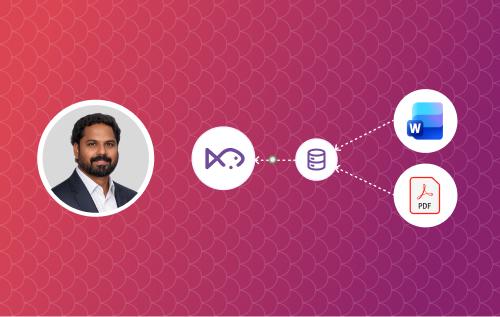
With Ragfish, organizations can transform their existing contracts, agreements, and compliance documents into an AI-powered legal knowledge assistant that helps teams find relevant information faster.
Quick Answer: How Can RAG AI Help With Legal Documents?
RAG AI can simplify legal document review by reducing the amount of manual searching required to understand lengthy agreements.
Instead of reading through hundreds of pages to find one specific clause, users can ask questions such as:
What is this agreement about?
What are the payment terms?
When does this contract expire?
Does it include automatic renewal?
Can either party terminate the agreement?
Is there a confidentiality clause?
What are the liability provisions?
What penalties are mentioned?
Which governing law applies?
What responsibilities belong to each party?
The assistant searches the organization's legal knowledge and provides relevant answers with references to the original documents. The source use case specifically highlights natural-language questions, contract summaries, important clause discovery, and document references.
The goal isn't to replace legal professionals.
The goal is to make existing legal information easier to find, understand, and use.
What Is a RAG AI Legal Document Summarizer?
A RAG AI Legal Document Summarizer is an AI-powered assistant that allows users to interact with contracts and other legal documents using natural-language questions.
Traditional legal document review often requires people to read lengthy agreements manually and search for specific clauses.
A RAG AI assistant changes that interaction.
"Where in this contract is the termination clause?"
"Can either party terminate the agreement?"
The assistant can retrieve the relevant information from the organization's legal documents and provide an answer with a reference to the source document.
For organizations using Ragfish, the assistant can be built around their own legal knowledge, including vendor agreements, customer contracts, employment agreements, NDAs, service agreements, lease agreements, purchase contracts, company policies, and compliance documents.
Why Is Legal Document Review Still So Time-Consuming?
Legal documents often contain complex language and detailed conditions.
A single agreement may include information about:
Payment terms
Contract duration
Renewal conditions
Termination rights
Liability
Confidentiality
Penalties
Governing law
Responsibilities of each party
Compliance obligations
Finding one specific piece of information may require manually reading through many pages.
For growing organizations, the problem becomes even larger.
Contracts arrive regularly from suppliers, customers, employees, service providers, landlords, and other business partners.
The source use case describes a manufacturing business where supplier agreements, customer contracts, employment contracts, and compliance documents were arriving almost every week.
This creates a familiar problem:
More contracts mean more information to review.
The Real Problem Isn't the Lack of Legal Information
Organizations often already have their important legal documents stored digitally.
The challenge isn't necessarily document storage.
It is turning those documents into searchable business knowledge.
A company may have hundreds or thousands of pages containing valuable information.
The documents may include:
Vendor agreements
Customer contracts
Employment agreements
NDAs
Service agreements
Lease agreements
Purchase contracts
Compliance documents
Company policies
But finding one specific answer may still require opening documents, searching manually, reading surrounding clauses, and interpreting the relevant section.
The source use case describes this exact turning point: the information was already stored digitally, but the real challenge was making thousands of pages searchable and useful as business knowledge.
RAG AI provides another way to interact with that information.
Instead of asking employees to search through every document themselves, they can start with the question they need answered.
The user asks. The AI retrieves the relevant legal knowledge.
How Does a RAG AI Legal Document Summarizer Work?
The process can be thought of in four simple stages.
1. Bring Your Legal Knowledge Together
The first step is identifying the legal documents your business regularly works with.
Contracts
Vendor agreements
Customer agreements
Employment contracts
NDAs
Service agreements
Lease agreements
Purchase contracts
Compliance documents
Company policies
These documents become the knowledge foundation for the legal assistant.
2. Make Legal Information Searchable Through RAG AI
Once the documents are available, users don't need to rely entirely on manual document searches.
RAG AI can retrieve relevant information from the organization's legal knowledge based on the user's question.
The source use case describes uploading legal documents into Ragfish, securely indexing them, and transforming them into an intelligent AI assistant.
3. Ask Questions in Natural Language
Users can interact with the assistant as they would ask a colleague.
"When does this contract expire?"
"Does this agreement automatically renew?"
There is no need to remember the exact page or clause number before asking the question.
4. Get Answers With Document References
The assistant retrieves relevant information from the organization's legal documents and provides answers with references to the original contracts.
This changes the workflow from:
Open document → Search manually → Read clauses → Find answer
Ask a question → Retrieve relevant information → Review the source
The source use case specifically highlights instant answers with references to the original contracts.
What Can You Ask a RAG AI Legal Document Summarizer?
One of the biggest advantages of an AI legal assistant is that users can ask questions based on the information they need.
Here are some practical examples.
Instead of reading an entire agreement first:
"Summarize this agreement."
The assistant can provide a concise overview based on the document.
A finance or procurement employee can ask:
"What are the payment terms?"
This can help the user quickly locate the relevant contract information.
Check Contract Expiration
"When does this contract expire?"
This makes it easier to identify important contract dates.
Instead of manually searching the agreement:
"Does it include automatic renewal?"
The assistant can retrieve the relevant information from the contract.
Understand Termination Rights
"Can either party terminate the agreement?"
This can help them quickly identify the documented termination conditions.
Find Confidentiality Clauses
"Is there a confidentiality clause?"
The assistant can help locate the relevant section.
A user reviewing business risk can ask:
"Show the liability clauses."
This makes it easier to locate important provisions.
"What penalties are mentioned in the contract?"
The assistant can retrieve relevant information from the agreement.
A business or legal team member can ask:
"Which governing law applies?"
The assistant can identify the relevant provision from the source document.
Understand Each Party's Responsibilities
"What responsibilities belong to each party?"
The assistant can help surface the obligations described in the agreement.
These questions are directly aligned with the examples provided in the Legal Document Summarizer use case.
What Legal Information Can RAG AI Understand?
The usefulness of a legal document assistant depends on the documents available to it.
A useful legal knowledge base can include several categories.
Contracts and agreements established with suppliers and vendors.
Agreements that define relationships, responsibilities, terms, and obligations with customers.
Documents containing employee-related contractual information.
Non-Disclosure Agreements
Confidentiality and information-sharing agreements.
Contracts covering services provided by or to the organization.
Documents defining property or equipment leasing arrangements.
Agreements related to purchasing products, materials, or services.
Internal policies that employees and business teams may need to reference.
Documents containing regulatory, compliance, or organizational requirements.
These sources can provide the legal context needed for users to ask questions and retrieve relevant information.
What Are the Benefits of Using RAG AI for Legal Documents?
RAG AI isn't valuable simply because it adds AI to legal document management.
The real value comes from making complex legal information easier to access.
Teams can spend less time manually searching lengthy documents for routine information.
The source use case highlights faster contract reviews as a key business impact.
Faster Information Discovery
Users can ask questions instead of manually locating every clause.
Easier Contract Summaries
Long agreements can be summarized to help users understand the document more quickly.
Quick Access to Important Clauses
Users can ask specifically about payment terms, renewal, termination, confidentiality, liability, penalties, and other provisions.
Better Business Decision Support
When relevant contract information is easier to find, business teams can spend more time evaluating the implications of that information.
24/7 Legal Knowledge Search
An AI assistant can provide access to organizational legal knowledge whenever users need it. The source use case describes 24/7 AI-powered legal search as a key capability.
Better Use of Existing Legal Documents
Organizations can turn their existing digital contracts and agreements into searchable business knowledge instead of treating them only as stored files.
How to Introduce RAG AI Into Your Legal Document Review Process
Introducing RAG AI doesn't mean replacing existing legal processes.
A practical approach is to start with the documents and questions that consume the most review time.
Step 1: Identify Common Legal Questions
Start by looking at the questions business teams repeatedly ask.
What are the payment terms?
When does this agreement expire?
Can either party terminate it?
Is there an automatic renewal?
What are the liability provisions?
What penalties are included?
These questions reveal where an AI assistant can provide immediate value.
Step 2: Identify the Relevant Legal Documents
Determine which contracts and documents contain the answers.
This may include supplier agreements, customer contracts, employment agreements, NDAs, service agreements, leases, and compliance documents.
Step 3: Build the Legal Knowledge Base
Make the relevant legal documents available to the RAG AI assistant.
The goal is to create a searchable knowledge foundation based on the organization's own legal information.
Step 4: Configure Secure Access
Legal documents can contain sensitive business information.
Organizations should configure access appropriately so users can only interact with documents they are authorized to access.
The source use case highlights secure private deployment and a self-hosted enterprise solution as part of the assistant's capabilities.
Step 5: Start With High-Value Documents
Begin with contracts that are frequently reviewed or contain information that business teams regularly need.
Step 6: Expand the Legal Knowledge Base
As teams begin using the assistant, additional agreements, policies, and compliance documents can be added to expand the organization's searchable legal knowledge.
Best Practices for Using RAG AI in Legal Document Review
RAG AI can make legal information easier to access, but organizations should still establish appropriate processes around its use.
Keep Legal Documents Updated
The assistant should work with current versions of contracts and policies.
Use Trusted Source Documents
Answers should be based on the organization's approved legal documents.
Protect Sensitive Legal Information
Contracts and agreements may contain confidential business information, so appropriate security and access controls are important.
Review the Original Document
For important contractual decisions, users should review the relevant source document and clause before taking action.
Keep Legal Professionals in the Loop
AI can help users find and understand information, but legal interpretation and significant legal decisions should remain subject to appropriate professional review.
Start With Repetitive Questions
Focus first on questions that teams repeatedly ask during contract reviews.
Once the assistant proves useful for common document searches, organizations can introduce additional legal knowledge and use cases.
Who Can Benefit From a RAG AI Legal Document Summarizer?
A RAG AI Legal Document Summarizer can be useful for organizations that regularly work with contracts and legal documentation.
Manufacturing companies
Small businesses
IT and software companies
HR departments
Procurement teams
Finance teams
Legal departments
Consulting firms
Professional services companies
Startups
These audiences are specifically identified in the Legal Document Summarizer source material.
It can be particularly useful for organizations where business teams regularly need to review agreements but don't want to spend unnecessary time searching through lengthy documents.
How Ragfish Helps Build a RAG AI Legal Document Summarizer
Ragfish provides a way for organizations to turn their existing legal documents into an AI-powered legal knowledge assistant.
Instead of manually searching through hundreds or thousands of pages, users can interact with their organization's legal knowledge through natural-language questions.
The workflow can be as simple as:
RAG AI Legal Document Summarizer
Natural-Language Questions
Relevant Legal Information + Document References
The source use case describes this transformation as uploading legal documents, securely indexing them, and turning them into an intelligent AI assistant that provides answers with references to the original contracts.
Why Use Your Own Legal Knowledge With RAG AI?
Generic AI can explain what a contract clause means.
But business teams usually need answers about their own agreements.
"What are payment terms?"
"What are the payment terms in our supplier agreement?"
"What is an automatic renewal clause?"
"Does this contract automatically renew?"
"What is a confidentiality clause?"
"Does our agreement include a confidentiality clause?"
The answers exist inside the organization's own contracts.
This is why RAG AI is particularly useful for legal document workflows.
It connects conversational AI with the legal knowledge that actually belongs to the organization.
The Future of Legal Document Review Is More Conversational
Legal document review has traditionally relied on opening contracts, searching through pages, reading clauses, comparing terms, and manually extracting important information.
These processes still have an important role.
But organizations now have an opportunity to interact with their legal knowledge differently.
Instead of manually searching through a contract:
"Where is the termination clause?"
"Can either party terminate this agreement?"
Instead of reading an entire contract first:
"Summarize this agreement."
Instead of searching through several pages:
"What are the payment terms?"
Instead of manually checking renewal language:
"Does this contract automatically renew?"
The interaction becomes simpler:
This doesn't eliminate the need for contracts, legal professionals, or established review procedures.
It makes the information inside those documents easier to work with.
Conclusion: How Can RAG AI Make Legal Document Review Smarter?
So, how can RAG AI make legal document review smarter?
It starts by making the legal information organizations already have easier to access.
A RAG AI Legal Document Summarizer can help teams summarize agreements, find important clauses, understand contract terms, check expiration and renewal conditions, identify responsibilities, and retrieve relevant information using natural language.
The opportunity isn't simply to automate legal work.
It's to make organizational legal knowledge more accessible.
Business teams spend less time searching through lengthy contracts.
Important information becomes easier to locate.
Legal documents become searchable business knowledge.
And teams can make more informed decisions with faster access to the information already contained in their agreements.
With Ragfish, organizations can transform contracts, agreements, and compliance documents into an intelligent AI assistant that helps teams understand legal information faster.
Ready to Make Legal Document Review More Intelligent?
Build a RAG AI Legal Document Summarizer with Ragfish and give your team a conversational way to interact with its legal knowledge.
Turn your contracts and legal documents into an AI-powered knowledge experience with Ragfish.